


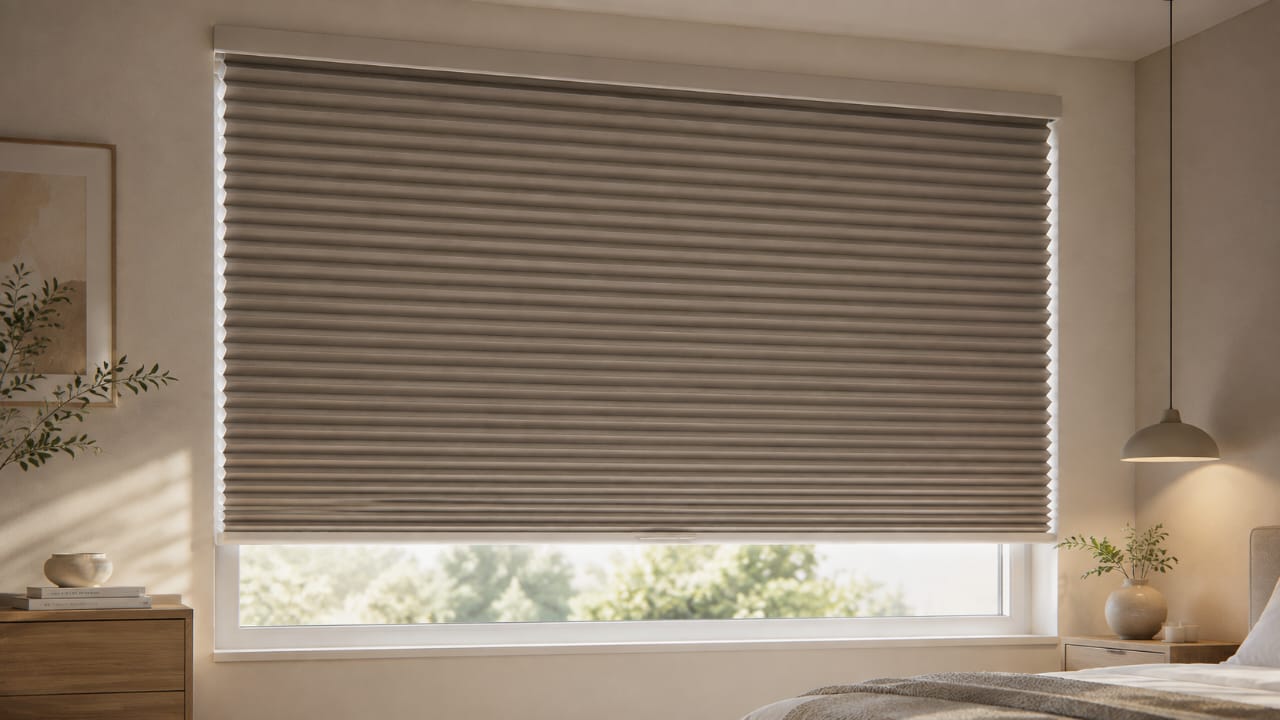
Honeycomb Blinds: How They Work, Why They’re Different, and How to Choose the Right One
If you’ve been comparing window blinds and keep running into the term “honeycomb,” you’re not alone. Honeycomb blinds, also called cellular shades, have become one of the most searched window covering options in India. They solve two problems at once: they look clean and modern, and they genuinely cut your heating and cooling costs.
What Makes Honeycomb Blinds Different?
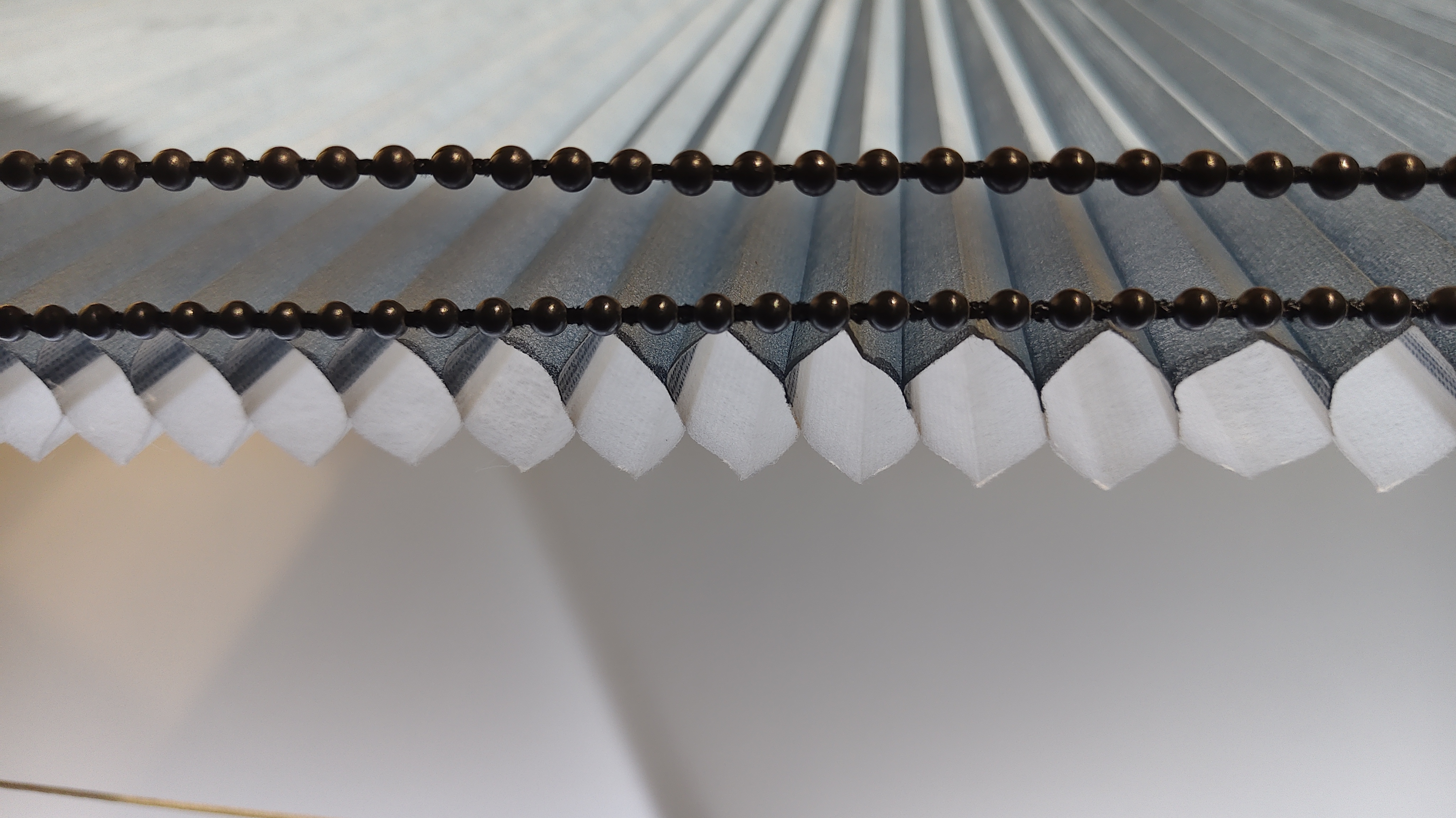
Unlike a flat fabric panel or a slat, honeycomb blinds are built from connected fabric cells shaped like hexagons, the same shape you’d see in an actual honeycomb. Look at the cross-section and each cell is really a small pocket of trapped air.
That trapped air works the same way double-glazed windows do, where a sealed air gap between two panes of glass slows down heat transfer. Instead of one flat layer of fabric, you get multiple layers of trapped air resisting heat movement.
In winter, that air barrier keeps warm indoor air from escaping through the glass, so rooms stay warmer for longer. In summer, the same pockets slow outdoor heat radiating in, keeping rooms cooler and easing the load on your AC. It’s one of the few window treatments that improves comfort in both directions instead of just blocking light.
Cell count matters here. Single-cell blinds offer one layer of insulation, while double and triple-cell versions stack two or three layers for noticeably better thermal performance. For a large window, a west-facing room, or a space with big seasonal swings, double or triple-cell is usually worth the upgrade. For smaller windows or milder climates, single-cell still holds up well at a lower cost.
Blackout Honeycomb Blinds for Light-Sensitive Rooms
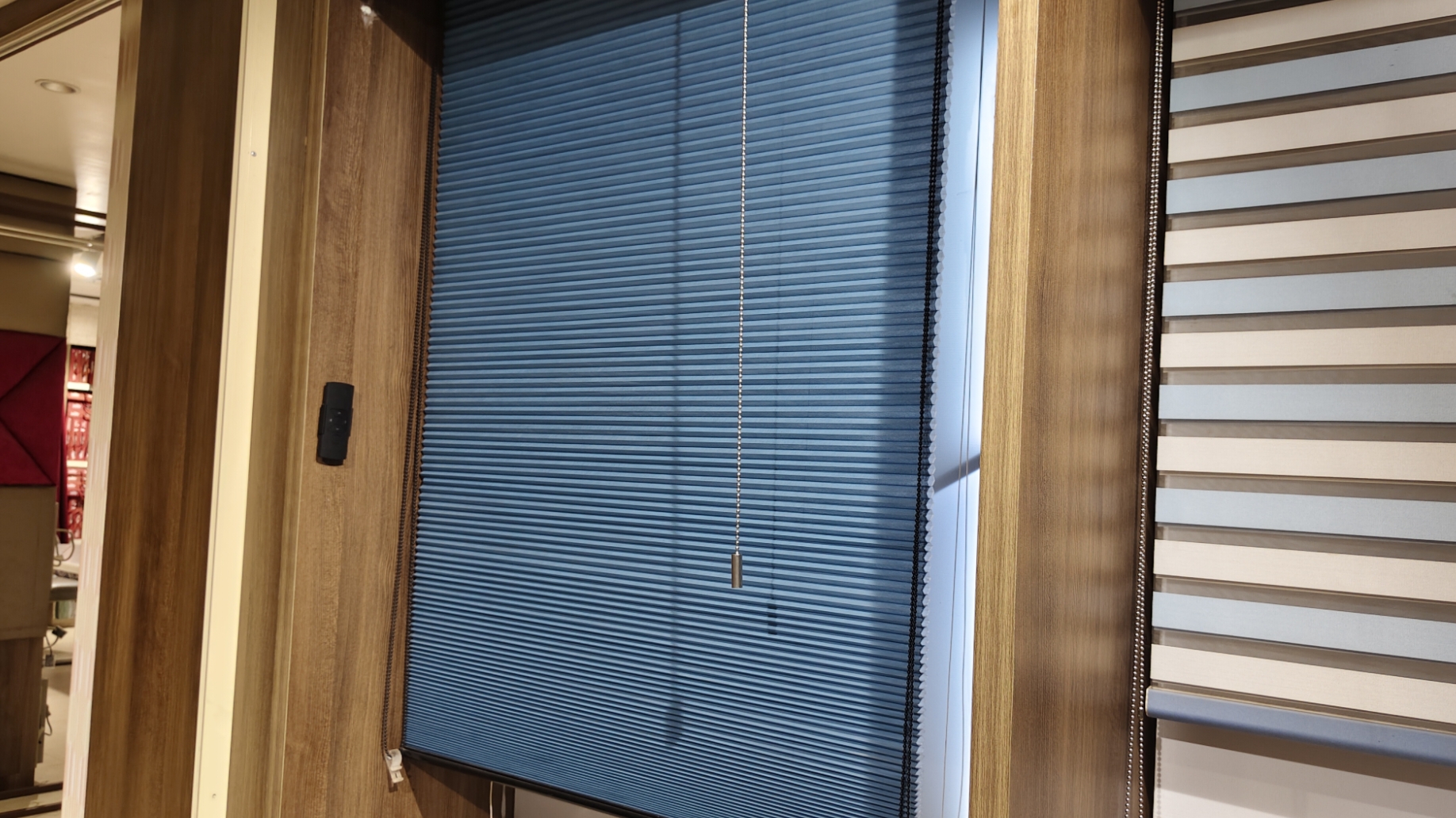
For bedrooms, media rooms, or any space where light control matters as much as temperature, blackout honeycomb blinds are worth calling out separately. These use a light-blocking lining fused into the cell structure itself, so you get the same insulation as a standard honeycomb blind, plus near-total light blockage.
They’re a natural fit for shift workers, nurseries, and rooms that face direct morning or evening sun. Since the lining is built into the cell rather than added as a separate layer, blackout honeycomb blinds hold their shape and insulation just as well as the standard version, so you’re not trading one benefit for the other.
Living With Honeycomb Blinds Day to Day
A few features change how the blind fits into daily life:
- Cordless lift systems are the most popular choice now, especially in homes with children or pets, since there’s no hanging cord.
- Top-down, bottom-up operation lets you lower the blind from the top for privacy while still letting light in from the bottom, useful for street-facing windows.
- Motorized, remote-controlled versions are increasingly common for skylights or hard-to-reach windows.
Day to day, it’s as simple as pulling the blind to your preferred cell coverage. The cellular structure holds its shape without sagging, and cleaning is low-effort: a light vacuum with a brush attachment or a dry cloth wipe is usually enough. With normal use, honeycomb blinds generally hold their shape and insulating performance for years.
Frequently Asked Questions –
Are honeycomb blinds actually better for energy savings than regular blinds?
Yes. The trapped-air cell structure gives them measurably better insulation than flat roller or fabric blinds, which have no air gap to slow heat transfer.
Do they work for both hot and cold climates?
Yes. The same insulating principle works both ways, slowing heat loss in winter and heat gain in summer, which is why they suit most Indian climate zones.
What’s the difference between single-cell and double-cell?
Double-cell blinds have two layers of cells instead of one, adding an extra air gap and better insulation. They’re generally recommended for larger windows or strong sun exposure.
Are blackout honeycomb blinds only for bedrooms?
No. They’re also popular in home theaters, nurseries, and workspaces where screen glare is an issue.
Can honeycomb blinds be motorized?
Yes, most ranges including blackout variants are available with motorized or remote-control lift options alongside manual cordless systems.
Are they hard to clean and maintain?
No. A light vacuum or dry cloth wipe is usually enough, and the cells hold their shape without needing re-ironing like curtains.

 No products in the cart.