


Darwin’s poker scene sits in a strange pocket of Australia – small enough that nobody’s pretending it’s Melbourne or Sydney, busy enough that the regulars know each other by first name. The clubs lean on Texas Hold’em cash games and the occasional tournament series, with floors that open later than the southern capitals. If you’re weighing up a trip north, the reality is more “tight community” than “thriving arena”, and that shapes everything from rake to waitlists.
Poker Rooms Darwin: Compact, Cash-Heavy, and Built for Regulars
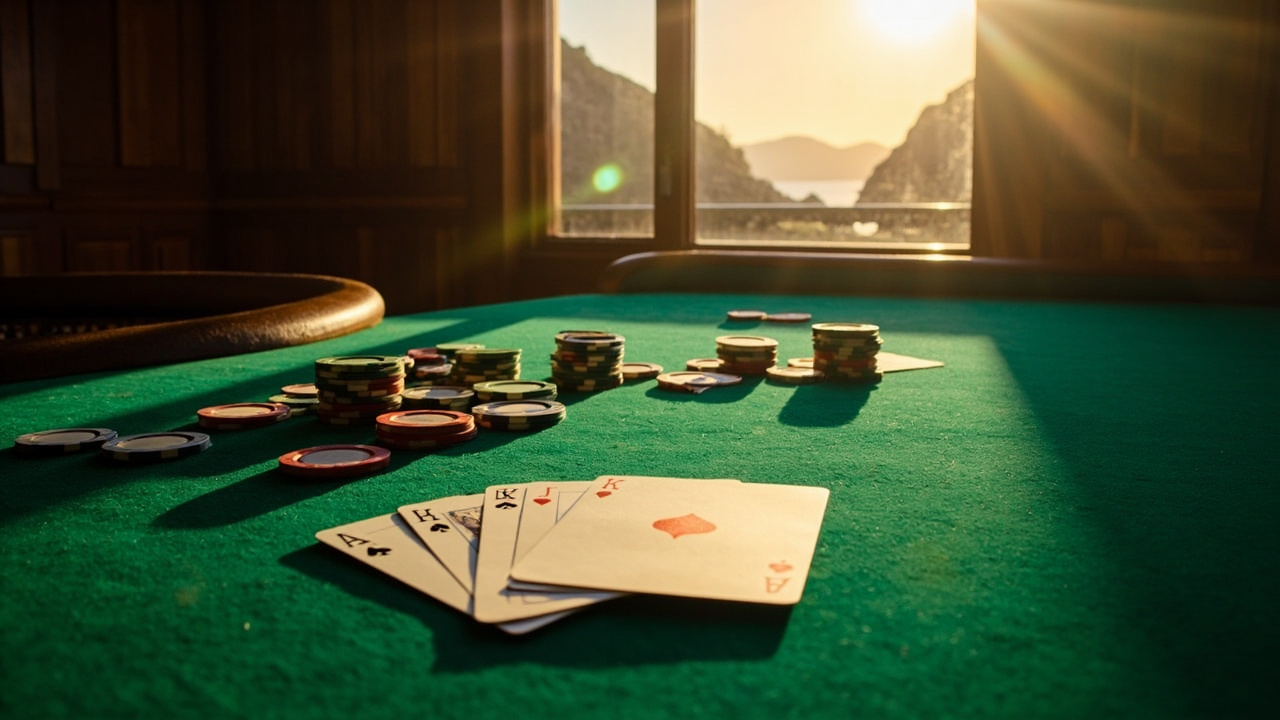
Most Darwin venues run a single poker room tucked behind the main gaming floor, with a dealt-card model rather than the fully electronic setups at bigger clubs. The core offer is Texas Hold’em cash games with blinds from $1/$2 to $5/$10 on busy nights, plus a weekly tournament schedule that runs year-round but defo peaks during the dry-season tourist run. Two distinguishing traits matter: first, the rooms are explicitly licensed and authorised under the NT regulator with a single statewide cap on poker machines, which means stakes and table counts don’t balloon overnight. Second, the dealer pool is small, so you’ll often see the same staff across venues, and tipping culture is more relaxed than in Melbourne’s Crown complex.
For usability, the rooms tend to open from around 4pm on weekdays and noon on weekends, with waitlists managed by phone calls and on-site sign-in sheets. Cash buy-ins cap at modest levels, which suits the local cost-of-living reality – a $200 buy-in is a genuine commitment for many Top End players, not a casual flutter. Parking is free at every Darwin venue, the dress code is strictly casual, and the on-floor amenities (basic meals, cold drinks, sometimes a barista) lean practical rather than premium. If you’ve spent time at crownslots clusters in southern states, you’ll notice Darwin rooms trade spectacle for familiarity – fewer tables, steadier turnover, and a community that reckons loyalty matters more than a flashing loyalty card.
What the Floors Actually Run – and Where the Trade-Offs Bite
Cash Games, Tournaments, and the Dry-Season Curve
The cash-game rhythm in Darwin is straightforward: weekday arvos stay quiet, Friday nights fill the $1/$2 tables, and Saturday is when $2/$5 and the occasional $5/$10 game actually gets running. Tournament play clusters around a Wednesday rebuy and a Sunday freezeout, with entry fees kept modest to suit the local wallet and the regulars’ favourite formats. The dry season (roughly May to September) doubles visitor traffic, which lifts table turnover and tightens waitlists; the wet season sees floors drop to four-handed games that still run for the regulars.
Where it bites: the player pool is shallow, so you’re often playing the same 30-40 faces across a month. Skill edges compound quickly, and new players get exploited faster than they would in a Melbourne casino. Rake is competitive but the lack of promotional overlays means a slow week can feel like dead money.
Payment Realities, Loyalty, and the Cost-of-Living Squeeze
Cash is king on the floor – chips buy in at the cage, EFTPOS top-ups are standard, and most venues don’t run integrated digital wallets. Loyalty programs exist in name only: a basic points-to-meals voucher scheme rather than the tiered comp systems you’d find at bigger clubs. For Darwin players juggling rent and fuel costs, that’s actually a reasonable trade – no chasing status tiers, no FOMO on bonuses, no worries about phantom promos.
The cost-of-living squeeze shows up most around payday. Fridays are genuinely busy as players top up after wages clear, while Mondays and Tuesdays are quieter because disposable income has reset. Mobile apps for waitlist sign-in are rare; most venues still run paper lists, which slows the queue on busy nights but keeps the floor simple. Anyone reading broader ASX small-cap reporting from interstate desks will notice that regional gambling floors barely register as a topic – the action here runs on local paycheques, not macro sentiment. Liam Hill, Compliance Director at Gold Coast Gaming Network, told me bluntly: “Darwin floors operate under stricter NT rules than NSW or Victoria, and players should expect fewer gimmicks, not more.” That sums it up.
Player Needs and the Retention Question
From a retention lens – and that’s the work I’ve spent my career on – Darwin’s poker rooms run a stripped-back loyalty play. They don’t deploy AI-personalised bonus triggers or dynamic tier upgrades the way a sophisticated eCommerce stack would. Instead, the player base is small enough that the dealer knows your usual seat, and that human-recognition loop does the same job as a well-tuned CRM segment: it keeps regulars coming back without flashy mechanics.
Where the model could lift is in tournament scheduling. A few Darwin venues have started running Melbourne Cup day specials as a soft public holiday tie-in – even though Melbourne Cup is technically a Melbourne metropolitan public holiday, the Top End venues lean on the national broadcast and run a daytime freezeout that lines up with the race. For someone weighing up value, the honest call is that Darwin rooms suit players who want steady, predictable action more than they suit grinders chasing overlay.
If your priority is community and a fair fight, the rooms deliver, no worries. If you want promotional depth and digital convenience, you’ll find Melbourne or Sydney venues a better fit, or you might prefer chasing a quick weekend draw from your phone. That’s the trade-off.
Darwin’s poker rooms aren’t trying to be Melbourne or Sydney, and that’s actually their strongest pitch. You’ll trade promotional depth for community familiarity, digital convenience for cash simplicity, and a sprawling tournament calendar for tight, regular action. If you’re a recreational player who values steady games over flashy comps, the Top End delivers exactly what it promises. If you want scale and spectacle, fly south.


 No products in the cart.